INITIATE project - 2nd newsletter!
August 2024 - December 2025, Zagreb, Croatia
Since August 2024, the INITIATE project has significantly expanded its presence across Europe through conferences, workshops, scientific forums and regional events. These activities have strengthened cooperation with stakeholders, increased visibility across the research and innovation (R&I) community, and further enriched the project’s Knowledge Base. Through active participation and continuous dissemination, INITIATE continues to contribute to Europe’s green and digital transitions while supporting institutional transformation in widening countries.
Throughout this period, consortium partners engaged academic communities, policymakers, private-sector stakeholders and civil society across multiple countries. The knowledge gathered from these events supports pilot preparations in Zagreb, Lisbon and Skopje and strengthens INITIATE’s long-term ambition of developing resilient, collaborative R&I environments.
The R&I Labs, in particular, have become a central platform for hands-on learning and co-creation, bringing together researchers, policymakers, students and industry partners to explore the practical dimensions of green and digital transitions. These sessions have helped translate high-level project goals into concrete actions, enabling participants to test ideas, exchange expertise and build a shared understanding of the challenges faced by higher education institutions. Combined with strong participation in international events, the Labs have positioned INITIATE as an active contributor to Europe’s evolving R&I landscape and strengthened the foundations for the pilot activities that will unfold throughout 2025 and 2026.
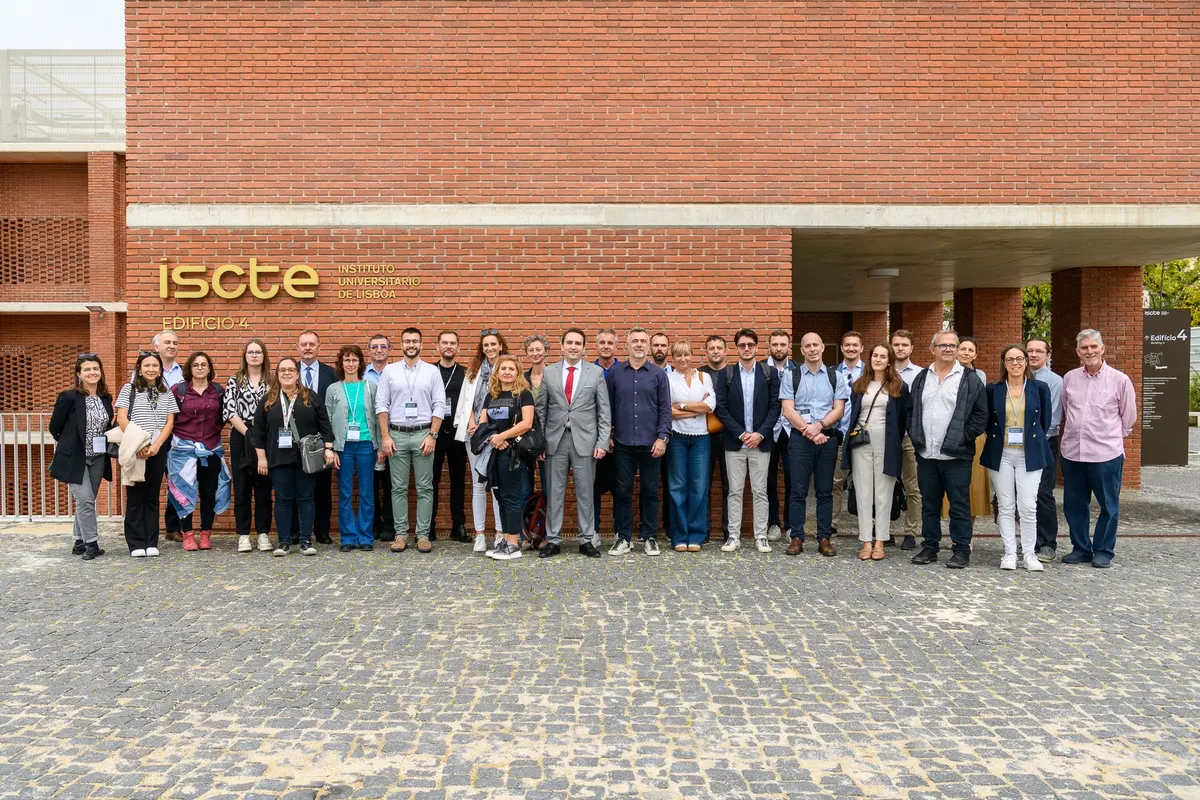
The General Assembly in Lisbon in October 2024 brought the whole consortium together for three days of collaboration, planning and exchange. This GA also marked the start of the 1st round of R&I Labs. Partners shared what they’ve accomplished over the past months and discussed what needs to happen next, moving from early research and preparation into practical on-the-ground activities. Each team presented their progress, from building the project’s knowledge base to creating new tools, training content and the first outlines of the Labs. A large part of the meeting focused on how the three pilot universities can develop their labs and collaborative spaces, how partners can support each other’s work, and how academic institutions can cooperate more effectively with industry and policymakers. Alongside presentations, the meeting included hands-on workshops, open discussions and a visit to ISCTE’s facilities, giving everyone a shared understanding of priorities for the coming year.
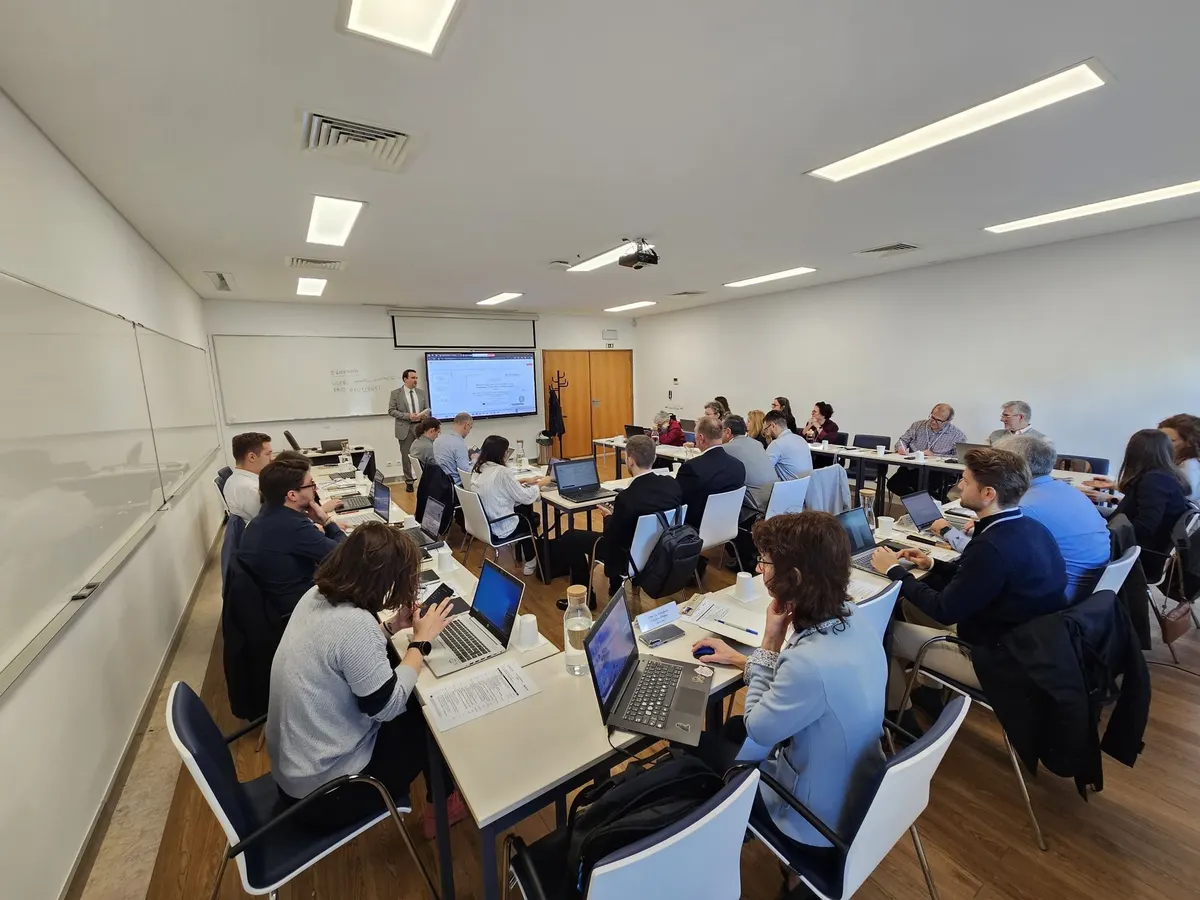
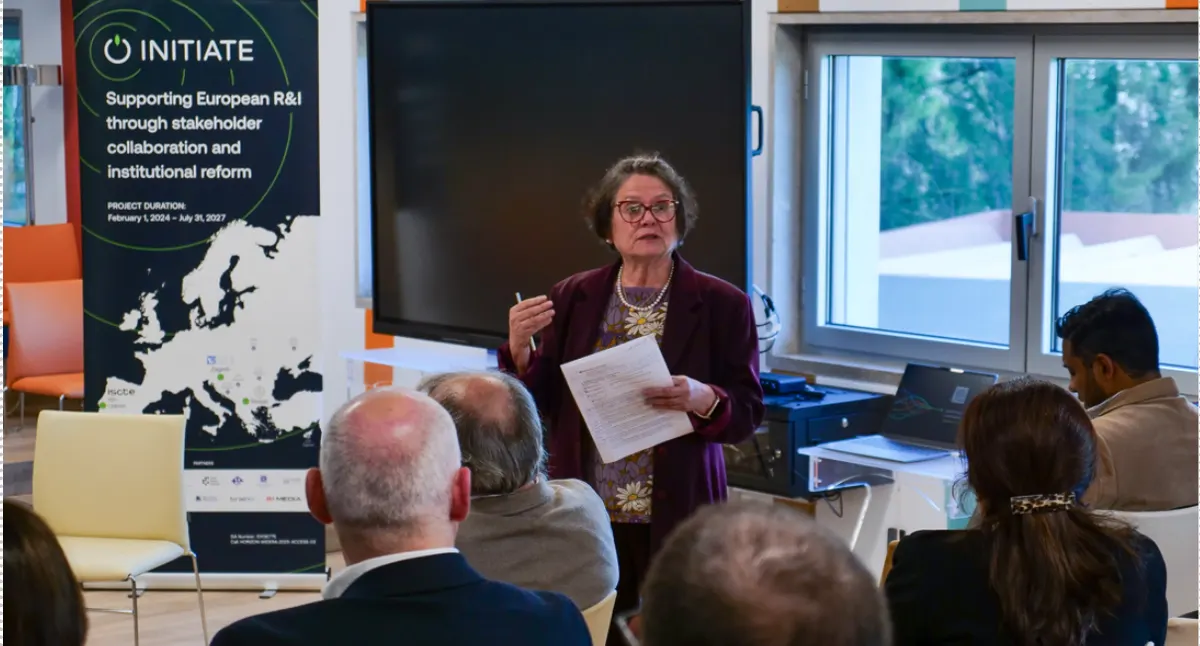
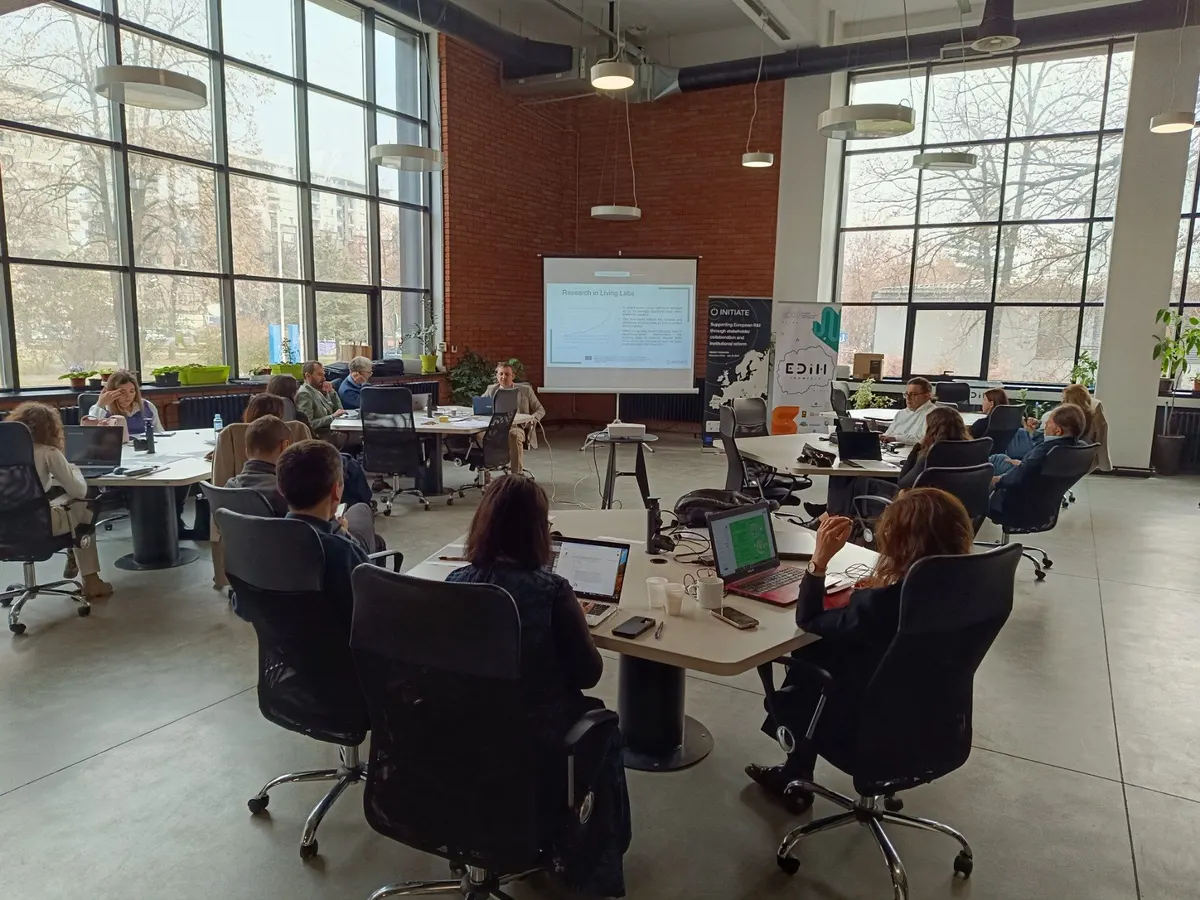
The R&I and Policy Lab in Skopje, North Macedonia took place on 27th February 2025, hosted by UKIM INOFEEIT. The hybrid event gathered 55 participants from government, civil society, industry, and academia to collaborate on energy and sustainability. An interactive session was held on the proposal co-creation for Horizon Europe and EUKI calls, and also the co-creation of research ideas for decarbonization and digitalization of the energy sector.
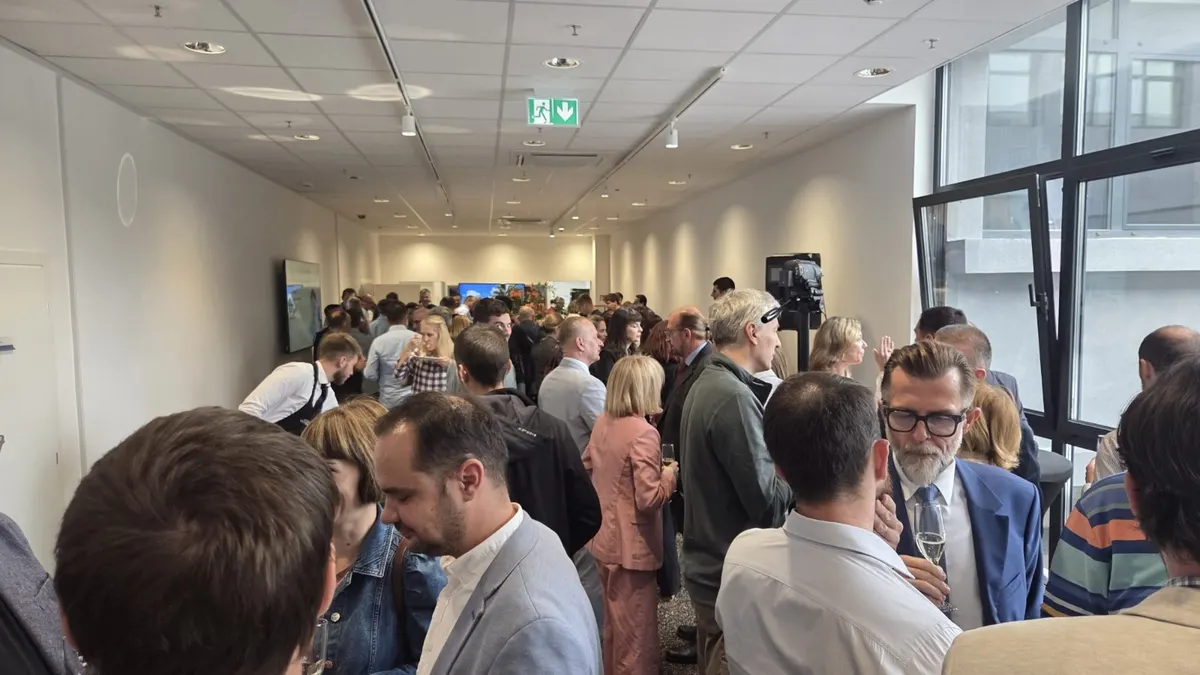
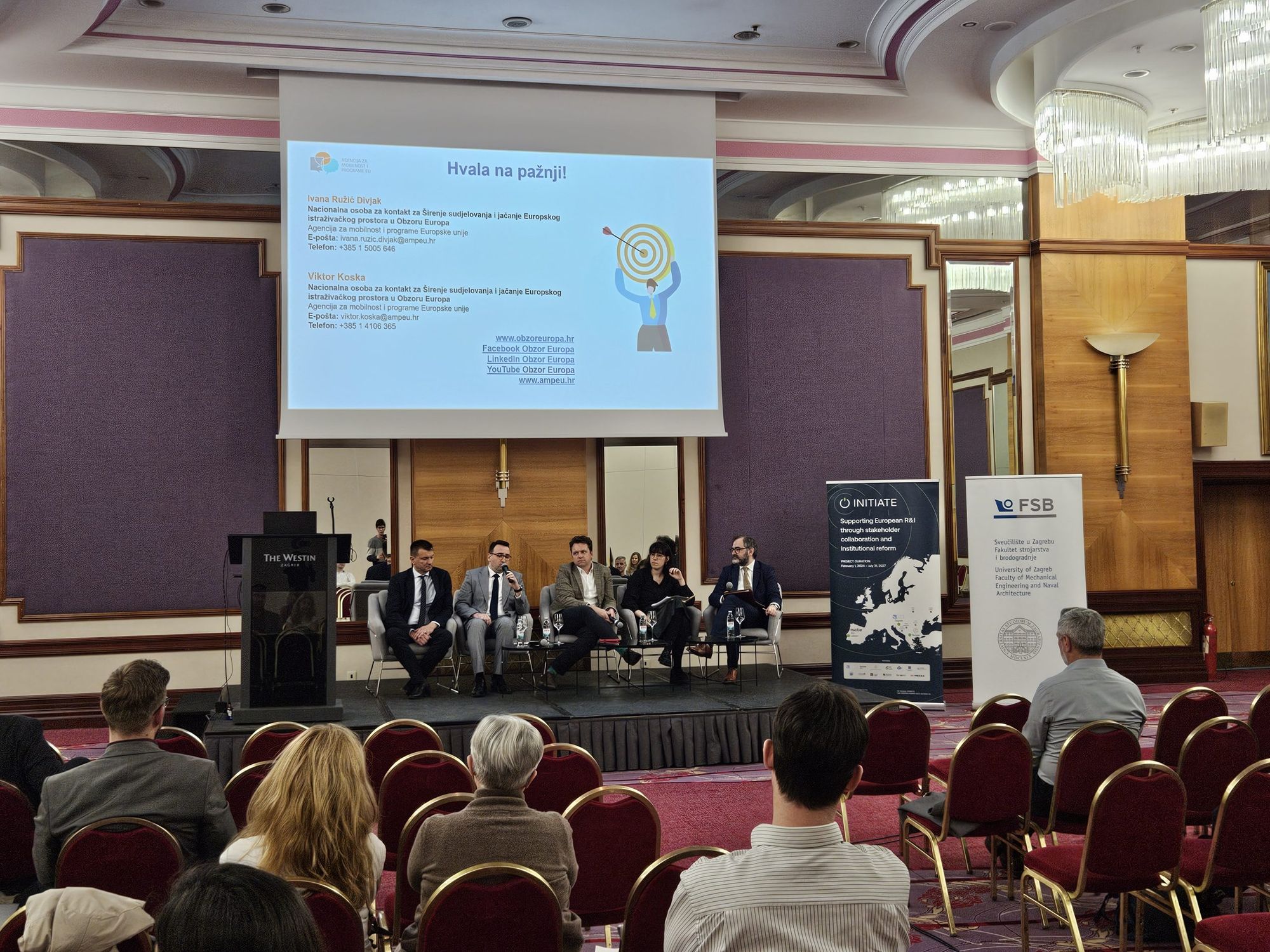
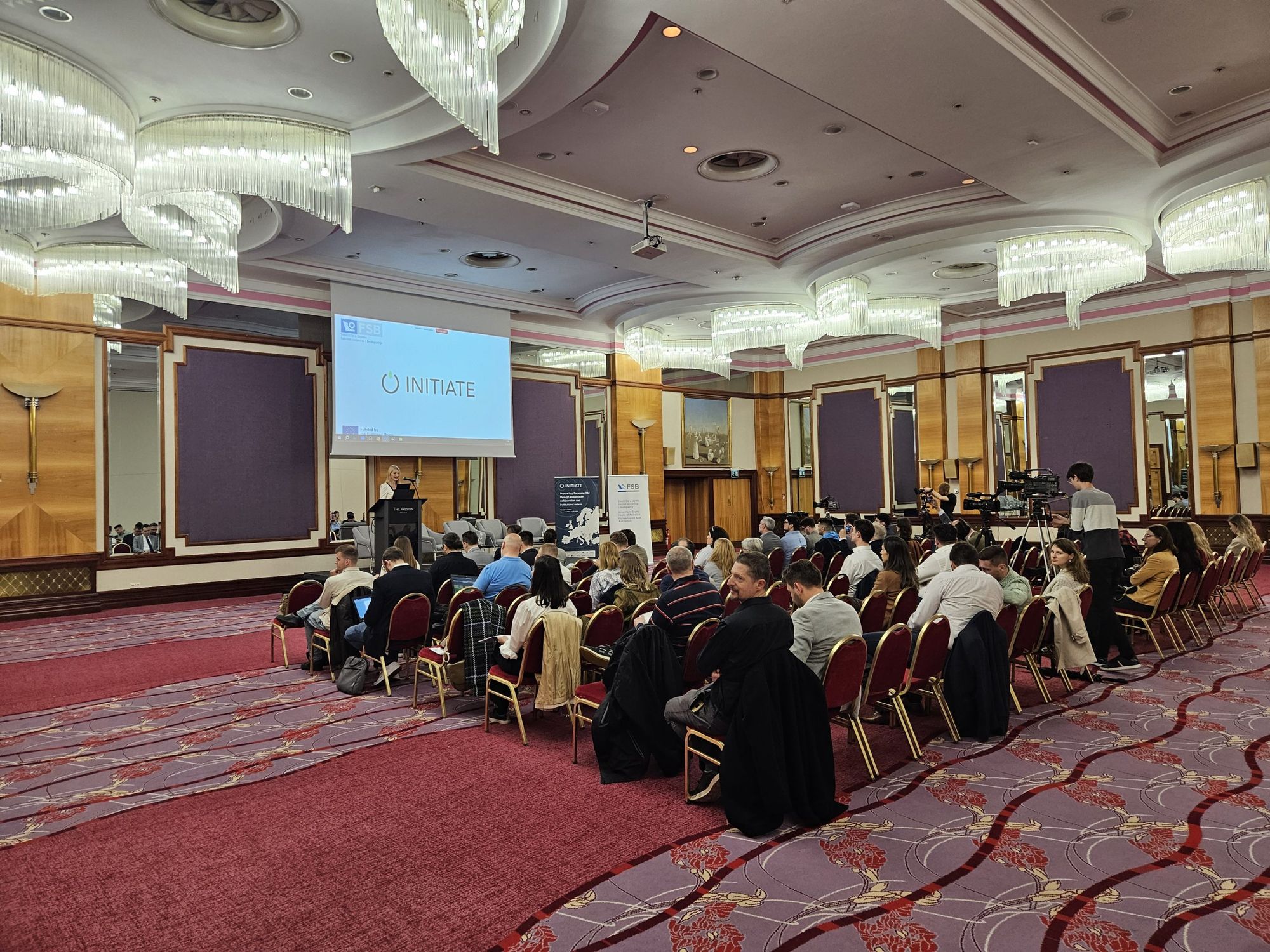
The first R&I Lab in Zagreb in April 2025 brought together an impressive mix of people working in research, government, industry and civil society to explore how Croatia can accelerate its green and innovative future. Held at the Westin Hotel, the event opened with strong support from national authorities and quickly moved into a series of lively presentations on Europe’s widening programme, Croatia’s growing participation in Horizon Europe, and several major EU-funded projects in areas such as marine robotics, energy modelling, building decarbonisation and rural energy communities. Throughout the day, speakers highlighted both the opportunities and the practical challenges of driving the green transition, sharing lessons from large-scale projects and discussing what Croatian institutions need to strengthen research capacity and international collaboration. The Lab also included two panel discussions that opened up honest conversations about project coordination, national administrative hurdles, industry–academic cooperation and the role of motivated individuals in pushing forward local energy solutions. With plenty of time for questions, networking and exchange, the Zagreb R&I Lab served as a dynamic meeting point where participants could connect across sectors, compare experiences and identify the next steps needed to support Croatia’s energy transition and innovation ecosystem.
The 2nd round of R&I Labs started with the R&I Lab in Lisbon in May 2025, which brought together researchers, faculty and private-sector representatives for a focused afternoon dedicated to exploring how data science and business analytics can drive innovation. The session opened with an introduction to the project and to Iscte’s emerging Business Analytics & Data Science Lab, showcasing its mission, research domains and its role as a bridge between academia and industry. Participants were then guided through practical examples of the lab’s analytical capabilities and services, followed by a hands-on overview of how companies can access national and European funding opportunities to support data-driven initiatives. The second half of the event featured an expert panel with speakers from academia, consulting and the tech industry, who discussed the real challenges companies face when trying to adopt business analytics—from resource limitations and data quality issues to cultural barriers and strategic uncertainty. The conversation highlighted the strong potential of university–industry collaboration, especially for SMEs seeking affordable, high-impact analytical support. The workshop closed by underscoring the strategic value of business analytics for competitiveness and by reaffirming the Lab as a space where organizations can safely explore new tools, experiment with ideas and work alongside researchers to build more data-driven and resilient businesses.
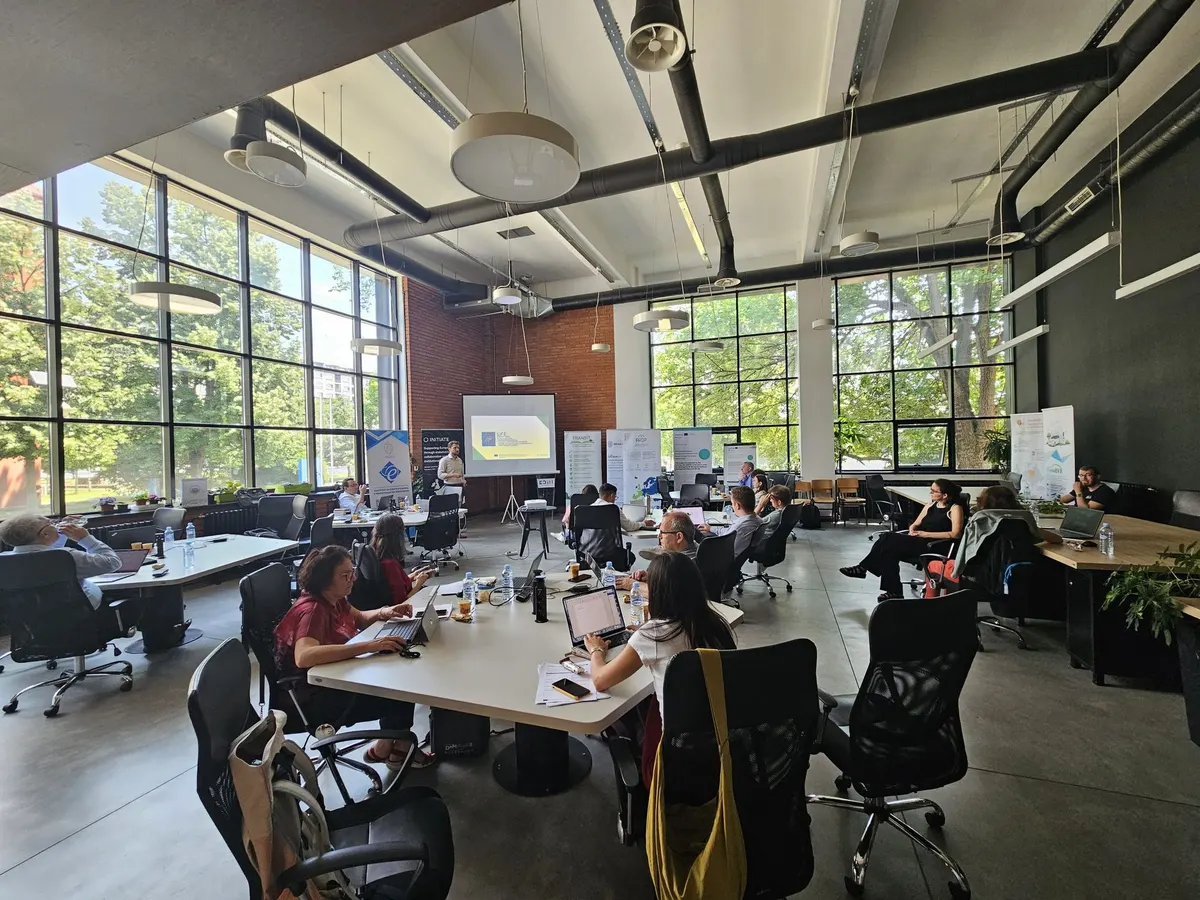
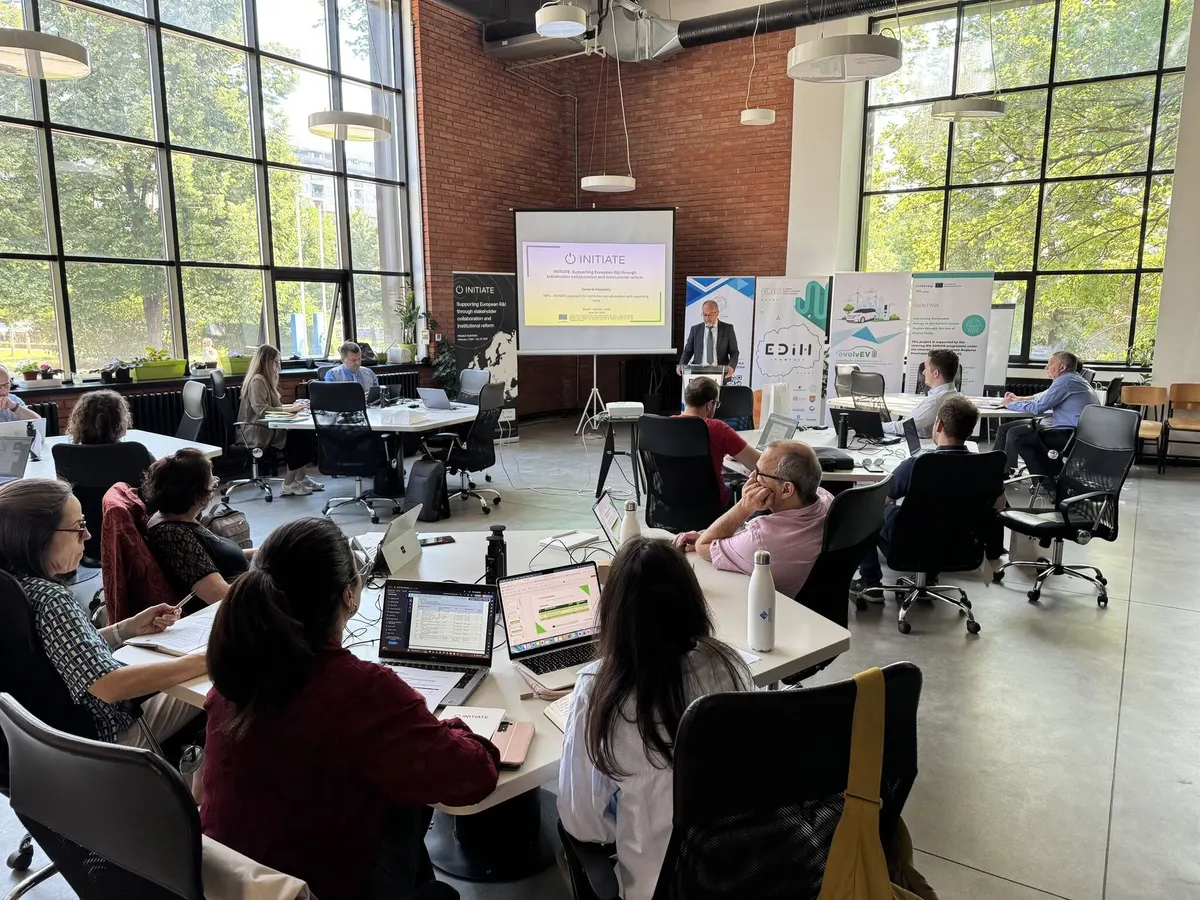
2nd round continued with the second R&I and Policy Lab in Skopje in June 2025, which brought together researchers, institutional representatives and innovation stakeholders to explore how policy, research and funding opportunities intersect in North Macedonia’s energy and innovation landscape. Hosted at INNOFEIT alongside the General Assembly, the workshop opened with an accessible overview of the country’s policy frameworks and research drivers, helping participants understand how national strategies support—or sometimes restrict—innovation efforts. This was followed by a practical session on funding opportunities, where UKIM presented relevant LIFE, Horizon Europe and Interreg calls, sparking strong interest among partners to collaborate on upcoming proposals. The final part of the Lab focused on the MSCA Staff Exchanges programme, with ESEIA guiding participants through how international and intersectoral mobility can strengthen research capacity. Partners compared their interests, identified shared themes such as smart energy systems, climate-resilient cities and policy integration, and discussed possibilities for shaping a joint MSCA proposal. The Lab provided a structured but open space for discussing challenges, aligning priorities and identifying concrete avenues for collaboration, reinforcing the role of INNOFEIT as a hub for innovation and policy dialogue in North Macedonia.
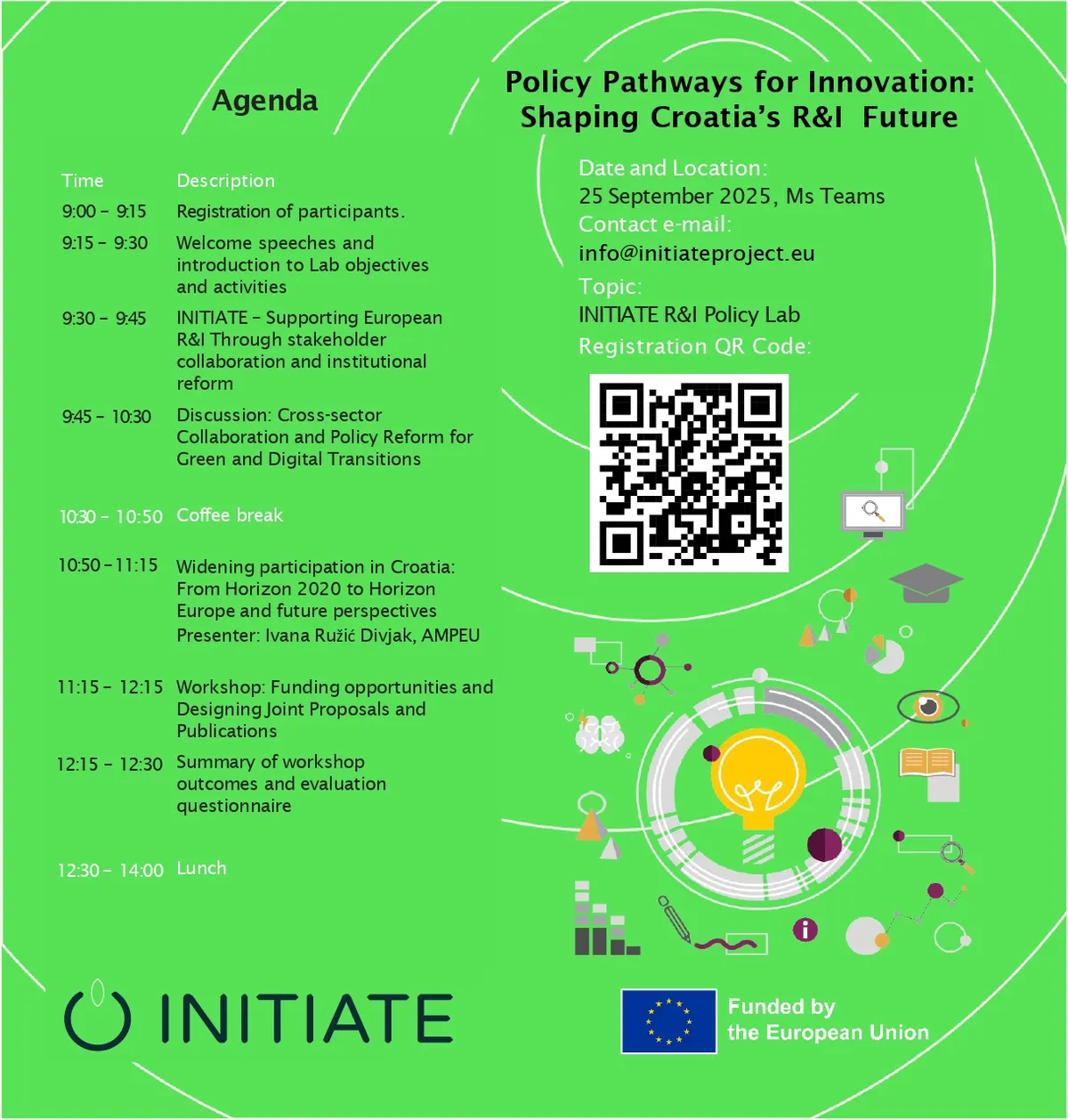
The second R&I and Policy Lab in Zagreb in September 2025 brought together European and African partners for a forward-looking discussion on policy, collaboration and funding strategies in research and innovation. Held in a hybrid format at UNIZAG FSB and connected with the EMERGE project’s AU–EU exchange initiative, the Lab created a shared space where participants from Morocco, Mozambique, Ghana, Cabo Verde and across Europe could compare experiences and explore opportunities for joint work. The session began with an introduction to the project’s goals and the Croatian pilot, followed by an interactive discussion on cross-sector collaboration and the policy barriers that shape innovation ecosystems in different countries. Using live tools such as Mentimeter and a shared Miro board, participants highlighted common issues—including fragmented regulations and limited incentives for cooperation—while also exchanging approaches to green and digital transitions. Later, the group reviewed funding opportunities and began shaping concepts for joint proposals and publications, identifying several promising ideas under Horizon Europe and related programmes. The Lab closed with reflections on next steps and a shared commitment to continue refining project ideas in the coming weeks. Overall, the event served as an important bridge between EU and AU partners, strengthening cooperation and opening new pathways for future joint initiatives.
The INITIATE project is coordinated by the Faculty of Mechanical Engineering and Naval Architecture at the University of Zagreb (UNIZAG FSB). Founded in 1919, UNIZAG FSB stands as a prominent institution within the Republic of Croatia, renowned for its advancements in scientific research, educational skills, and expertise across various domains including mechanical engineering, naval architecture, aeronautical engineering, energy and emerging fields like mechatronics and robotics.
Author(s) and Contact Information:
Goran Krajačić, PhD
Project Manager
Faculty of Mechanical Engineering and Naval Architecture, University of Zagreb
Ivana Lucica 5, HR-10000, Zagreb, Croatia